


what is child panel in smm panel?
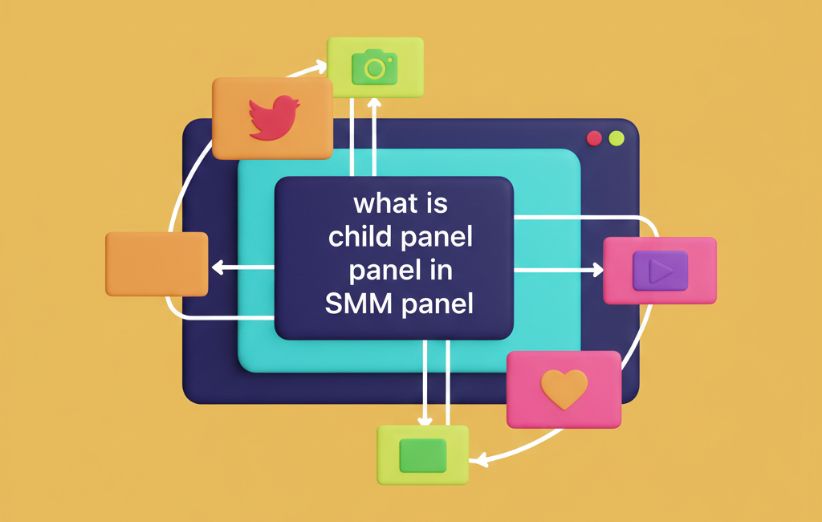
If you’re searching What is a child panel in SMM panel? you’re probably thinking about one thing: starting an SMM business without building everything from scratch. A child panel is basically a reseller version of a main panel, where you sell services under your own brand while the main panel handles the core delivery. To understand the ecosystem clearly from the start, it helps to begin with the main concept of a smm panel and how panels operate as service marketplaces.
If you’re brand new to the topic, read What is a SMM panel? first, then learn the behind-the-scenes workflow from How do SMM panels work?. These pages make it easier to understand why child panels exist, what they can realistically do, and what they can’t.
What Is a Child Panel in SMM Panel?
A child panel is a reseller panel connected to a main SMM panel (sometimes called a provider panel) where services, order processing, and delivery are managed centrally by the main panel. You operate the “front end” business: branding, pricing, customer support, marketing, and user management. The main panel operates the “engine”: service inventory, routing orders to providers, and completing delivery. In simple terms, you run the store, and the main panel runs the warehouse and shipping.
How a Child Panel Works Behind the Scenes
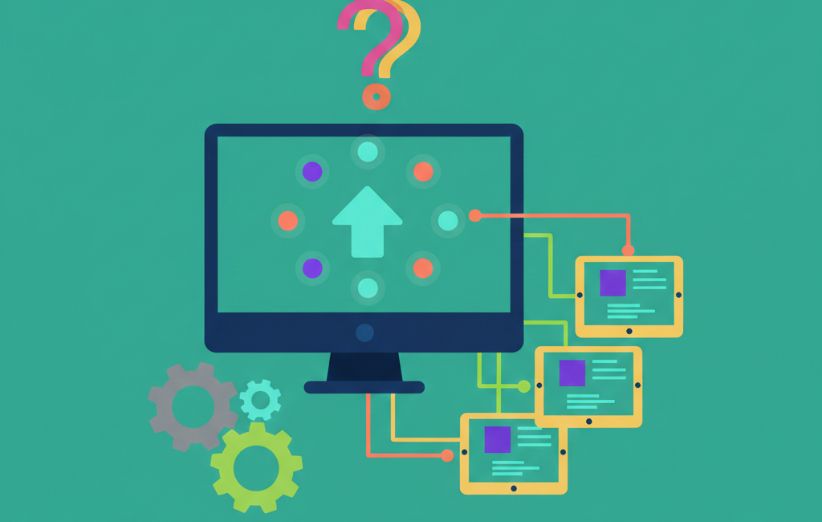
Most child panels work through an API-based connection, meaning your panel communicates with the main panel automatically. When a customer places an order on your child panel, that order is forwarded to the main panel with the required link and quantity. The main panel then processes the order and starts delivery based on the service rules. Your dashboard usually shows order progress, but the actual “delivery power” stays with the main panel. This is why understanding the software side matters too, and reading what is smm panel script can help you separate the website system from the service supply chain.

Child Panel vs Main Panel: What’s the Real Difference?
The biggest difference is control. A main panel controls service sources, provider relationships, and the core infrastructure that fulfills orders. A child panel controls branding, pricing, and the customer experience, but depends on the main panel for delivery quality and stability. You can usually set your own margins, create your own package naming, and manage user balances. But you cannot change how the provider delivers or “fix” drops yourself unless the main panel has refill or replacement rules. This is also why choosing the right platform matters, and How to choose a reliable SMM panel? becomes a key reading point even for resellers.
Why Do SMM Panels Offer Child Panels?
Child panels are a scaling model. The main panel expands reach by allowing resellers to build micro-brands that bring in new users. It’s similar to franchising in business: the central system provides the product and fulfillment, while resellers handle local marketing and sales. For beginners, it lowers the barrier to entry because you don’t need to negotiate with multiple providers or build infrastructure from zero. For the main panel, it creates distribution and recurring volume. For resellers, it offers a faster start—if expectations are realistic.
What You Can Do With a Child Panel
- Brand your own panel: Use your own domain, design, and service naming so customers see your business, not the upstream provider.
- Set your own prices: Add margin on top of the main panel’s rates and define your own packages.
- Manage users and balances: Customers add funds, place orders, and track progress inside your environment.
- Create service bundles: Build custom “starter kits” for common goals (launch, credibility, engagement) using available services.
- Focus on marketing and retention: Your business success is mostly about traffic quality, support, and trust-building.
What You Cannot Do With a Child Panel
- You cannot fully control service quality: If the main panel’s supplier quality drops, your customers feel it first.
- You cannot change delivery logic: Speed, start time, and completion behavior depend on the main panel’s service rules.
- You cannot guarantee “permanent” metrics: Drops are possible, and policies like refill matter for expectations.
- You cannot bypass the main panel’s limits: If a service has max/min limits or downtime, your child panel inherits it.
- You cannot remove platform risk: You can reduce risk with pacing, but you can’t eliminate it.

Is a Child Panel Profitable?
A child panel can be profitable, but it’s not automatic income. Profit comes from margin + volume, and volume depends on marketing, positioning, and user trust. Many beginners fail because they compete only on price, which attracts low-quality buyers who churn quickly and generate support issues. A smarter approach is to compete on clarity, stability, and support, then keep margins realistic. If you want an honest view of earnings models, read Is an SMM panel profitable? and treat it as a business, not a shortcut.
Is Using a Child Panel Safe?
Safety depends on two things: the reliability of the main panel and how responsibly you sell services. If the main panel has unstable delivery, unclear refill rules, or poor support, your business becomes risky even if you do everything right. Also, resellers can create risk by pushing users to order extreme quantities too fast, which increases platform detection risk. For a safety-first foundation, read Is an SMM panel safe? and design your service recommendations around gradual, realistic growth.
Refill, Drops, and Why Child Panels Must Explain This Clearly
One of the biggest support headaches for resellers is drop behavior: followers, likes, or views may decrease after delivery depending on the platform and service type. This is where refill policies matter. If a service includes refill, it may replace losses during a defined period, but refill is not the same as “permanent.” If you plan to run a child panel, you must understand and communicate refill terms clearly to avoid refunds and distrust. Use what is refill in smm panel? so you can set correct expectations in your business.
Child Panel vs Building Your Own Panel (Which Is Better?)
A child panel is usually best when you want speed and simplicity, and you’re willing to trade control for convenience. Building your own panel gives you more control, but it requires technical setup, provider sourcing, support systems, and ongoing maintenance. If your goal is to test the business model, a child panel can be a practical starting point. If your goal is long-term scalability and full control, eventually you may consider building a more independent system. If you’re exploring the “no budget” path, read how to create smm panel free? to understand what “free” usually means in real terms.
How to Run a Child Panel Successfully (Practical Checklist)
- Choose a reliable main panel: prioritize stability, clarity, and support response, not only cheap rates.
- Start with a small service catalog: offer a few stable services first before expanding.
- Write honest service descriptions: mention speed ranges, refill rules, and realistic outcomes.
- Recommend gradual growth: teach users pacing instead of pushing bulk orders.
- Track support patterns: issues often repeat; create quick answers and prevention rules.
Our Instagram SMM Services (Examples You Can Use for Growth Goals)
If your focus is Instagram, using the right service mix can help you create a more natural growth pattern. Below are common Instagram services users choose depending on goals. For more details, you can visit each page directly and review the full descriptions before ordering.
If your goal is building profile credibility, Buy Instagram Followers is typically used with gradual pacing so growth looks consistent with content output and niche activity.
If you want balanced post engagement, Buy Instagram Likes works best when quantities match your baseline engagement so posts don’t look artificially inflated.
If you want visible discussion, Buy Instagram Comments can support social proof, but it should be used carefully to avoid repetitive or unnatural comment patterns.
If you publish video content, Buy Instagram Views is commonly used to support early momentum, especially when the content is already optimized for retention.
If you need wider visibility signals for a campaign, Buy Instagram Impressions can be used alongside strong creative and clear targeting to make the push feel aligned with real interest.
If your posts are educational or evergreen, Buy Instagram post Saves is often chosen because saves look more natural when the content genuinely provides value.
If your goal is discovery, Buy Instagram Profile Visits can support awareness when your bio, highlights, and profile layout are already prepared for conversion.
If Reels are your growth engine, Buy Instagram Reels Views is typically used to boost initial reach while testing formats that hold attention.
If you publish shareable content, Buy Instagram Reposts can support distribution signals, especially for templates, tips, and short relatable clips.
If you rely on Stories for daily engagement, Buy Instagram Story Views can help keep visibility consistent during promotions and launches.
If you want ongoing engagement support without manual ordering, Buy Automatic Instagram Likes is commonly used at controlled levels to keep engagement steady without extreme spikes.
Is a Child Panel “Real” or Just a Trick?
A child panel is real in the same way reselling is real in any industry: you are not manufacturing the product, but you are selling it under your own brand and managing customer relationships. What makes it “legit” or “untrustworthy” is how transparent the reseller is and how reliable the upstream system is. If you want a trust-focused view of the industry, read is smm panel real? and use that mindset when building your child panel business.

Legal and Policy Reality: What You Should Know
A child panel does not automatically create legal problems, but platforms may have rules against artificial engagement or spam-like behavior. This is why ethical use and moderation matter. If you want a clear breakdown of legal vs platform terms, read Is an SMM panel legal?. For resellers, the practical approach is to focus on realistic usage, avoid promoting extreme orders, and communicate limits honestly.
FAQ
1) What is a child panel in SMM?
A child panel is a reseller version of a main SMM panel, usually connected through an API, where you sell services under your own brand while delivery is handled by the main panel.
2) Can I make money with a child panel?
Yes, but profit depends on marketing, trust, support quality, and realistic margins. It is typically volume-based, not automatic income.
3) Do I need technical skills to run a child panel?
Most child panels are pre-configured, so deep coding is not required, but you still need basic operational skills like pricing, support, and order troubleshooting.
4) Is a child panel better than building my own SMM panel?
For beginners who want a fast start, a child panel can be easier. For long-term control and scalability, building your own system may be better later.
5) Is using a child panel safe?
It can be safe if the main panel is reliable and you promote moderation. Risk increases if service quality is unstable or if customers are pushed into extreme ordering.